






Does a Smart Home Really Help Reduce Electricity Bills?
“Smart Home” isn’t just a flashy slogan to sell modern homes. It refers to an internal home management system designed to offer convenience, safety, and efficient energy use. This was made possible through Internet of Things (IoT) technology, which connects various devices through an application or automation system. But the question many people have is: Does a smart home really help reduce electricity bills, or is it just a stylish convenience? This article will dive deeper into what a Smart Home really means and offers a clear comparison
What is a Smart Home?
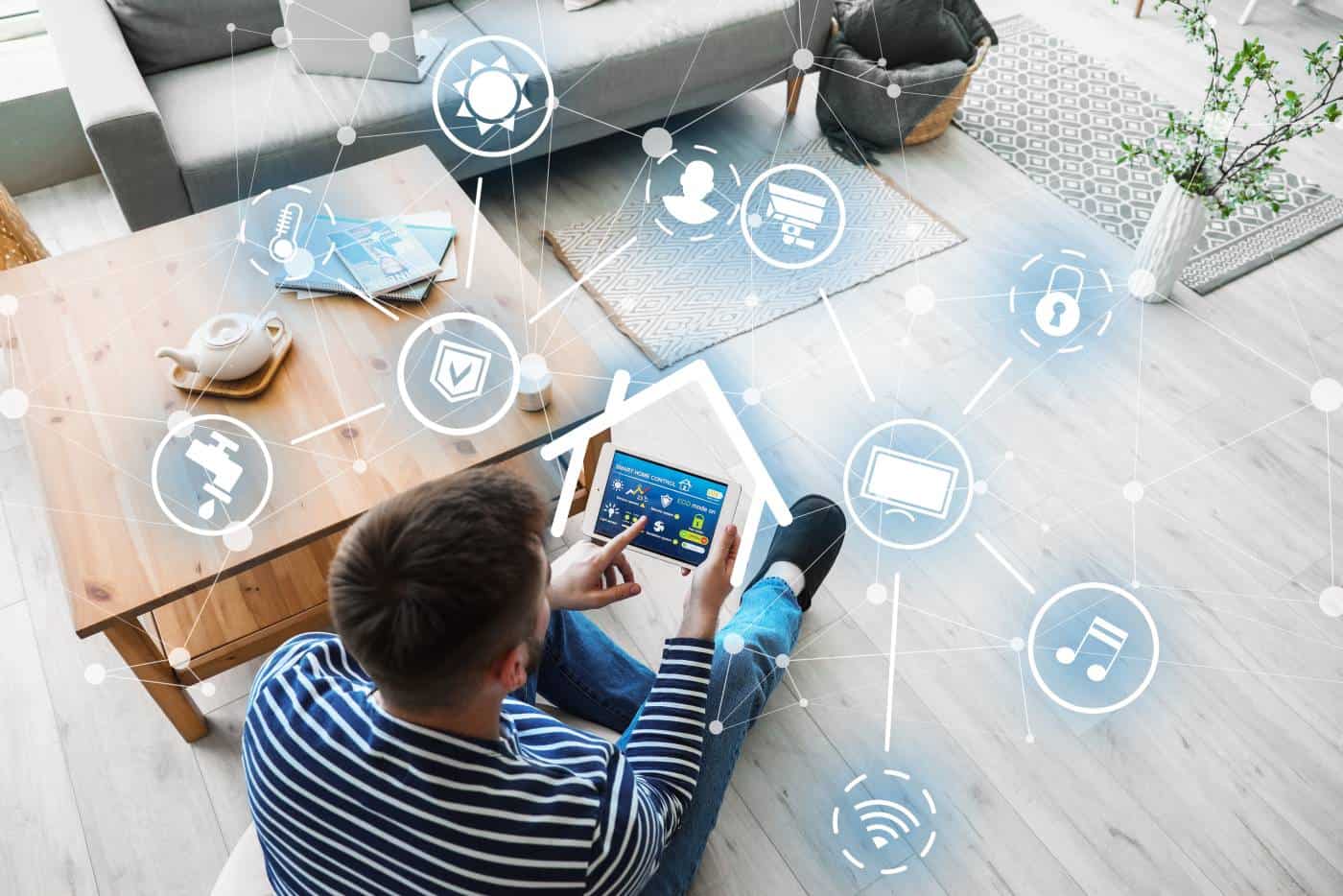
A Smart Home is a system that allows you to control various devices within your home—such as lights, air conditioners, curtains, audio systems, or even air purifiers—through wireless connections like Wi-Fi, Zigbee, or Bluetooth. These devices can be managed via smartphone applications or voice commands using intelligent assistants like Google Assistant, Amazon Alexa, or Siri.
Moreover, Smart Home technology goes beyond simple remote control. It can also learn the habits of the residents in order to operate automatically. For example, it can open the curtains to let in morning sunlight, turn off all the lights when no one is in a room, or adjust the room temperature according to the outdoor weather.
Popular Smart Home Devices
- Smart Light Switch – Turn lights on/off via smartphone, set schedules, or link with motion sensors
- Smart Bulb – Adjust brightness, change color, or automate on/off based on a schedule
- Real-Time Security Camera – Detects motion and sends automatic alerts
- Smart Thermostat – Controls temperature for comfort and energy efficiency
- Automated Curtains – Open/close based on sunlight or pre-set times
- Smart Plug – Turns ordinary appliances into smart devices with remote control
How Does a Smart Home Help Save Electricity?
Now that we understand what a Smart Home is, let’s explore a key reason why many people choose to install one: to effectively reduce electricity bills. Smart Home systems can help save energy through the following three core concepts.
1. Reduce Energy Consumption from Redundant Behaviors
Many times, we unintentionally leave lights or air conditioning on. This is a wasteful energy habit. A Smart Home system can help prevent this issue. For example, smart light switches can be set to turn off automatically when no one is in the room, or motion sensors can switch off the lights after a set period of inactivity.
2. Optimize Energy Usage
Some appliances, like air conditioners or water heaters, consume a lot of electricity. However, using them with thermostats or timers can optimize their operation without compromising comfort. For instance, setting the air conditioner to turn on 10 minutes before arriving home instead of leaving it on all day.
3. Efficient Use of Renewable Energy
For homes with solar panels, a smart home system can help reduce electricity bills by scheduling appliance usage to match peak solar energy production. For example, running the washing machine during the day instead of at night, or charging devices when there is surplus energy.
How Much Can a Smart Home System Save on Electricity Bills?
A Smart Home system allows you to control various devices in your home—such as lights, air conditioning, curtains, audio systems, or even air purifiers—via wireless connections like Wi-Fi, Zigbee, or Bluetooth. These devices can be managed through smartphone apps or voice commands using smart assistants like Google Assistant, Amazon Alexa, or Siri.
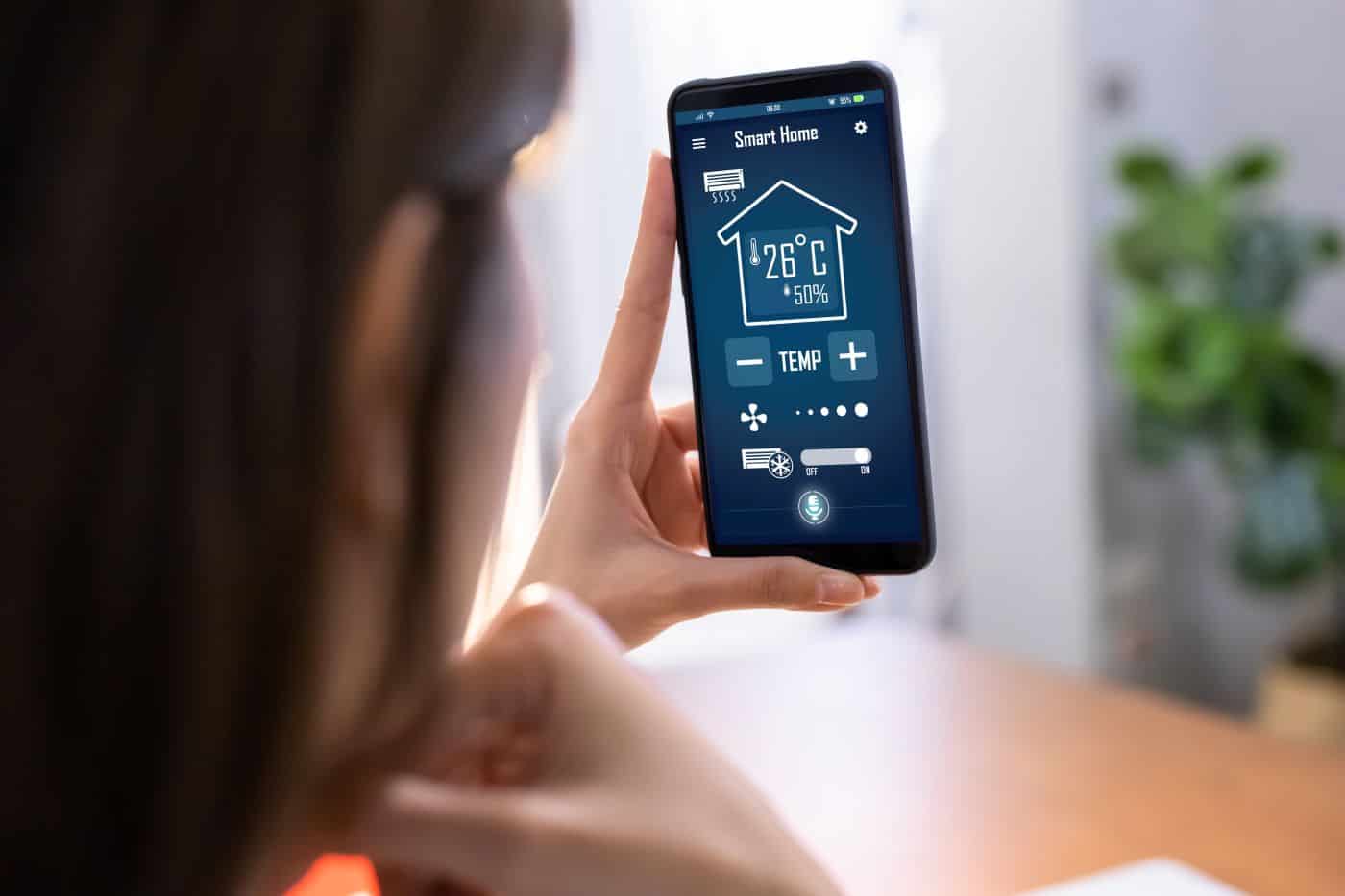
Moreover, a report from Blue Ridge Energy indicates that homes equipped with properly installed Smart Home devices can reduce overall energy consumption by approximately 30–40%. However, the actual savings depend on the residents’ usage behavior and the efficiency of the devices used.
Besides Saving Energy, What Are the Other Benefits of a Smart Home?
Investing in a Smart Home system not only helps reduce electricity bills but also offers several other advantages—especially in urban settings where people seek a more convenient and secure lifestyle. These benefits include:
- Increased Convenience:
You can control everything from your smartphone, whether you’re at home or away. For example, you can schedule the air conditioner to turn on before you arrive, open the curtains in the morning, or even command the air purifier to clean itself. - Enhanced Safety:
Most Smart Home systems come with alert features for unusual events, such as cameras detecting intruders, smoke or gas leak sensors, and smart door locks that allow you to check their status anytime. - Eco-Friendly:
One of the key goals of a smart home is to reduce energy consumption without compromising quality of life. This helps lower overall carbon emissions and promotes mindful energy use. - Elderly-Friendly:
Smart Home systems can make life safer and more convenient for seniors. Features include fall detection alerts, automatic lighting adjustments, and the ability to turn lights on or off without needing to get up and press a switch.
For anyone planning to install a Smart Home system or looking for electrical control devices that combine both functionality and aesthetics, SAHN is a great choice.
SAHN offers a wide range of stylish smart light switches and other smart electrical devices that seamlessly integrate into your home. You can browse their products on leading e-commerce platforms such as Shopee, Lazada, and NocNoc, or contact them directly via LINE Official: @SAHN


